How Television Fame Became a Much Bigger Conversation
A Familiar System Loses Its Monopoly
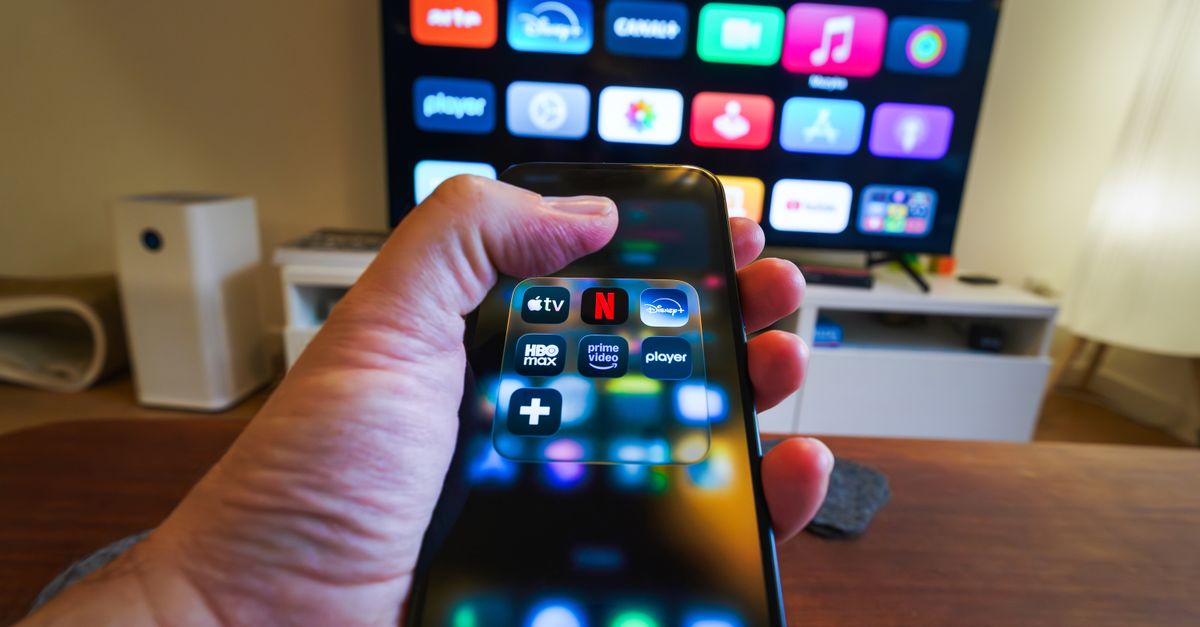
Television fame once depended on a relatively small group of decision-makers: network executives, casting directors, publicists, critics, and advertisers. They decided which performers appeared in homes, how often those performers were seen, and which stories surrounded them. Viewers could adore a star, but their influence usually stopped at letters, phone calls, or buying a magazine. The modern system is far less tidy. Streaming services have multiplied the number of shows competing for attention, while social platforms allow performers, writers, and fans to shape visibility in real time. The New Rules Of Tv Fame And Fandom begin with a simple shift: audiences are no longer merely receiving culture; they are helping distribute it.
Advertisement
Fame Is Now Everywhere—and Nowhere
The New Rules Of Tv Fame And Fandom are also changing the meaning of being well known. A performer may be globally recognized within one online community yet remain unfamiliar to casual viewers. Another may become famous from a supporting role, a short clip, a meme, or a behind-the-scenes interview rather than a traditional lead performance. This creates a strange hierarchy of recognition. Fame can be broad, intense, temporary, or highly specialized. A show with modest overall viewing figures may produce an actor with a remarkably devoted following, while an expensive blockbuster can vanish from public conversation within days. Visibility is no longer a single ladder; it is a crowded apartment building with many floors.
Advertisement
Streaming Rewards Discovery and Delayed Obsession
In the old broadcast era, viewers often watched together because the schedule demanded it. Streaming changed that rhythm by offering entire seasons, flexible viewing, and international access. The New Rules Of Tv Fame And Fandom therefore include the rise of delayed discovery. A series can arrive quietly, gather momentum through recommendations, and become a cultural event months or even years later. This benefits shows that might once have been canceled before finding their audience. It also makes success harder to measure. A program may inspire intense conversation without producing one obvious ratings moment, while completion rates, repeat viewing, search activity, and social discussion all tell different parts of the story.
Advertisement
Fans Are Participants, Not Just Admirers
The New Rules Of Tv Fame And Fandom place fans closer to the creative and promotional process. They create edits, explain plot details, translate interviews, organize watch parties, design artwork, and introduce newcomers to a series. Their enthusiasm can revive an overlooked program or persuade a platform to extend its life. Yet participation also brings pressure. Fan communities may expect constant communication, immediate answers, and public agreement with their interpretations. Performers can be praised as authentic one day and criticized as distant the next. The relationship is more personal, but it is not necessarily more stable. Connection has become a valuable asset—and an exhausting full-time expectation.
Advertisement
Algorithms Decide Who Gets a Second Look
Behind much of the new visibility sits an algorithm, quietly sorting clips, recommendations, searches, and conversations. The New Rules Of Tv Fame And Fandom are shaped by systems that favor material likely to produce attention quickly. A dramatic scene, expressive reaction, or humorous interview may travel farther than an entire season of careful storytelling. This can help emerging talent, especially when a small moment reveals charisma that traditional marketing missed. However, algorithmic attention is unpredictable. It may reward controversy over craft, repetition over originality, and instant recognition over gradual development. Performers and studios now create for both human audiences and invisible systems that measure every click.
Advertisement
Direct Access Changes the Star Persona
Social media has weakened the wall between celebrity and audience, though it has not removed the need for boundaries. The New Rules Of Tv Fame And Fandom encourage stars to share opinions, routines, rehearsals, failures, and personal humor. Such openness can make performers seem approachable and can deepen investment in their work. It can also turn ordinary mistakes into permanent evidence. A carefully managed interview once disappeared when the magazine left the newsstand; a poorly judged post can be copied, debated, and rediscovered indefinitely. The modern star persona is therefore part performance, part conversation, and part risk management. Authenticity may be valuable, but strategic silence can be valuable too.
Advertisement
Fandom Can Build Communities—and Conflicts
The New Rules Of Tv Fame And Fandom reveal fandom as both a social home and a competitive arena. Supporters find friendship through shared enthusiasm, especially when a show offers representation, comfort, or a sense of belonging. Online groups can celebrate overlooked characters and push studios to recognize audiences they once ignored. At the same time, intense attachment can produce rivalry between fan communities, disputes over casting, and hostility toward performers who play unpopular roles. Spoiler arguments, shipping battles, and demands for renewed seasons may seem playful until they become harassment. Healthy fandom leaves room for disagreement; unhealthy fandom treats interpretation as ownership.
Advertisement
What Studios Must Understand Now
The New Rules Of Tv Fame And Fandom require studios to think beyond launch night. Promotion is no longer a single campaign that peaks before a premiere and fades afterward. A successful strategy may involve accessible interviews, thoughtful social content, international subtitles, creator transparency, and sustained attention to fan communities. Marketing teams must also understand that audiences notice contradictions. Promising a participatory relationship while ignoring criticism can damage trust faster than an ordinary advertising mistake. The strongest franchises treat viewers as intelligent partners without pretending that every request can be granted. Listening matters, but so does maintaining a clear creative direction.
Advertisement
The New Measure of Staying Power
The New Rules Of Tv Fame And Fandom ultimately point toward a broader definition of success. Staying power may come from a devoted niche, a memorable performance, a community that keeps recommending a series, or a character who remains meaningful long after the finale. Traditional awards and ratings still matter, but they no longer tell the whole story. Fame now moves through platforms, languages, time zones, and overlapping communities. The most durable stars are not necessarily those who dominate every headline. They are often the people whose work gives audiences a reason to return, share, reinterpret, and care.
Advertisement
Conclusion
Television fame has become more distributed, interactive, and difficult to predict. Streaming expands discovery, algorithms influence visibility, and fans increasingly help shape a show’s cultural life. Direct access can strengthen loyalty, but it also demands boundaries and careful judgment from performers and studios. In this crowded landscape, lasting success belongs to work that builds genuine connection rather than merely chasing the next burst of attention.
Advertisement