How TV Turned Entertainment Into a Shared Public Event
From Appointment Viewing to Mass Ritual
Television once transformed entertainment from a scheduled household habit into a shared cultural ritual. Today, streaming, social media, and fan communities keep that ritual alive while changing its rhythm. The story is one of technology, audience behavior, and increasingly sophisticated hype that surrounds every major release.
Advertisement
When Everyone Watched the Same Thing
In the early decades of television, The Evolution Of Tv And Entertainment Hype began with scarcity. Most homes had only a few channels, broadcasts followed fixed schedules, and popular programs became common ground for millions of viewers. A finale, awards ceremony, or major news event could dominate conversation the next morning because nearly everyone had experienced it at roughly the same time. Television did not merely deliver entertainment; it organized the evening. Families gathered around one glowing screen, and advertisers understood that a successful program could turn a product into a household name. The limited number of channels made attention easier to capture, although viewers had fewer opportunities to escape a disappointing episode.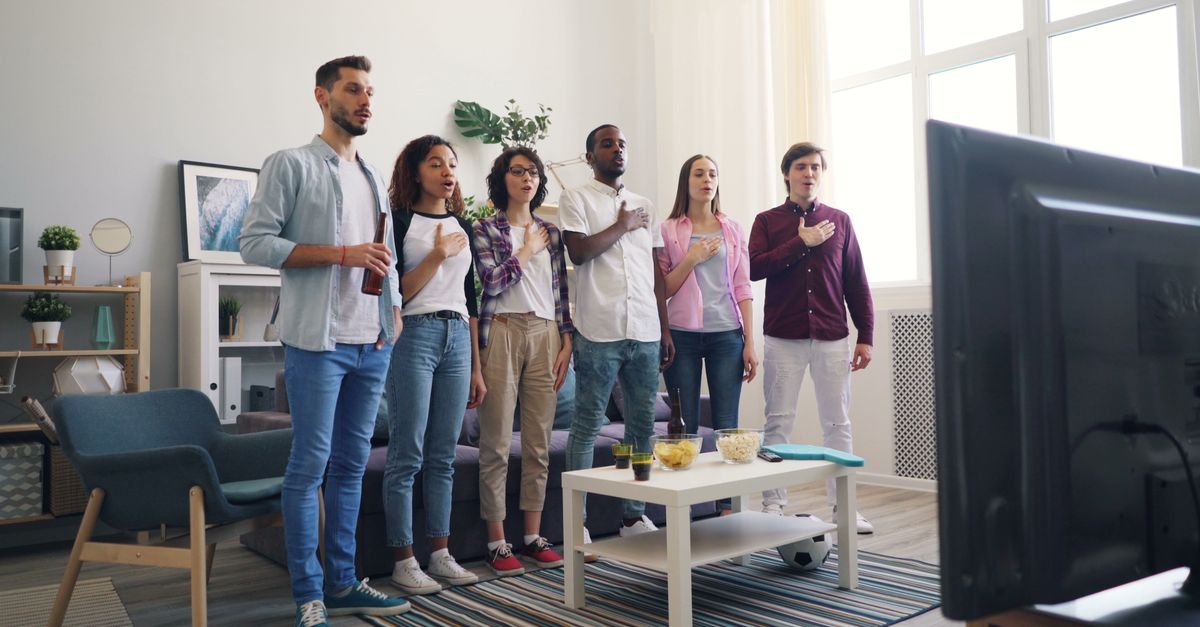
Advertisement
The Rise of the Blockbuster Broadcast
The Evolution Of Tv And Entertainment Hype accelerated as networks learned to market programs as events rather than ordinary schedule entries. Miniseries, season premieres, televised competitions, and major award shows received months of promotion, often accompanied by interviews, magazine covers, merchandise, and carefully timed trailers. This approach created anticipation before viewers had seen a single frame. Ratings became a public scoreboard, giving audiences another reason to participate: watching was not only enjoyable but also a way to join a national conversation. Networks competed for appointment viewing, while audiences developed habits around premiere nights, recap discussions, and water-cooler debates that made entertainment feel pleasantly unavoidable.
Advertisement
Cable Expands the Entertainment Universe
With the arrival of cable, The Evolution Of Tv And Entertainment Hype entered a more fragmented but more adventurous phase. Instead of a handful of general channels, viewers gained access to specialized networks devoted to sports, music, children’s programming, documentaries, comedy, and international content. This wider menu allowed niche interests to flourish. A program no longer needed to appeal to everyone to become successful; it needed to inspire a devoted audience. Cable channels also refined the art of promotion through countdowns, marathons, behind-the-scenes specials, and recognizable visual identities. Hype became less about reaching one enormous crowd and more about making each audience feel that its favorite show belonged to a distinct cultural club.
Advertisement
The Internet Makes Fans Part of the Story
The Evolution Of Tv And Entertainment Hype changed dramatically when the internet turned viewers into active participants. Message boards, blogs, fan sites, and early social platforms gave audiences spaces to analyze plots, trade theories, create memes, and debate characters long after an episode ended. Entertainment companies quickly recognized the value of this unpaid publicity. A clever teaser could travel across the web within minutes, while a surprising plot twist could generate thousands of conversations before the credits finished rolling. Fans were no longer simply receiving marketing; they were remixing it, challenging it, and sometimes improving it. The audience became part of the promotional machine, whether or not it intended to be.
Advertisement
Streaming Rewrites the Rules
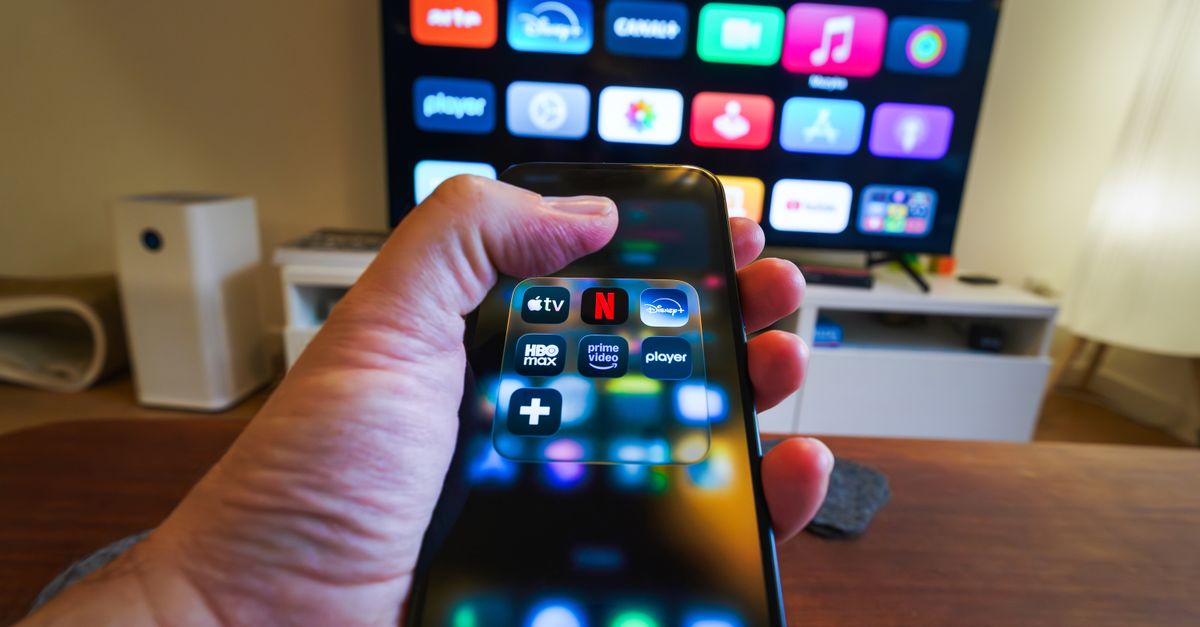
Streaming services pushed The Evolution Of Tv And Entertainment Hype in a new direction by changing how releases reach audiences. Entire seasons can arrive at once, encouraging binge-watching and making spoilers a constant concern. At the same time, platforms use personalized recommendations and viewing data to promote different titles to different groups. The old question was, “What is on tonight?” The new question is often, “What should I watch next?” This convenience has expanded choice while weakening the shared schedule that once united viewers. A series may become a worldwide sensation overnight, yet its audience can still experience it in separate time zones, at different speeds, and through carefully tailored algorithms.
Advertisement
Social Media Turns Attention Into Currency
In The Evolution Of Tv And Entertainment Hype, social media functions as both a loudspeaker and a measuring device. Trailers, cast interviews, red-carpet moments, and fan reactions can be distributed instantly across several platforms. Hashtags help studios track interest, while trending lists create the impression that everyone is discussing the same title. This feedback loop can make a modest release feel culturally significant, especially when audiences share jokes, edits, reaction videos, and theories. However, visibility is not the same as lasting popularity. A program can dominate online conversation for a weekend and disappear soon afterward, proving that digital noise is powerful but not always durable.
Advertisement
The Business of Building Fandom
The Evolution Of Tv And Entertainment Hype now depends heavily on fandom, which has become a valuable business ecosystem. Studios extend a show’s life through merchandise, podcasts, live experiences, collectible releases, interactive websites, and collaborations with other brands. Cast appearances and convention panels help audiences feel connected to the people behind a production, while exclusive clips reward loyal followers. This strategy turns a single program into an expanding universe of content and products. Fandom can also influence creative decisions, especially when studios monitor audience reactions closely. The relationship is mutually beneficial when participation feels genuine, but it can become tiring when every emotional moment is immediately packaged for sale.
Advertisement
Why Hype Still Works
The Evolution Of Tv And Entertainment Hype remains effective because it satisfies several human instincts at once. People enjoy anticipation, belonging, discovery, and the pleasure of sharing a reaction with others. Hype gives an upcoming film or series a social identity before its release, allowing audiences to imagine the experience together. Yet successful promotion must eventually be supported by quality. Marketing can encourage viewers to press play, but only strong storytelling, memorable performances, and emotional investment can keep them watching. The most enduring entertainment moments therefore combine smart publicity with material that rewards attention instead of merely demanding it.
Advertisement
Conclusion
Television has moved from a limited broadcast schedule to a vast, interactive entertainment ecosystem. Each technological shift has changed how audiences discover, discuss, and celebrate what they watch, but the desire for shared cultural moments has remained remarkably consistent. Hype works best when it creates genuine anticipation and leads to an experience worth discussing. The screen may be smaller, larger, or carried in a pocket, yet entertainment still thrives when it gives people something meaningful to enjoy together.
Advertisement