How TV Fandom, Platforms, and Trends Now Shape Buzz
Introduction
Entertainment buzz no longer travels in a straight line from a studio to a television set. It moves through streaming apps, social feeds, fan communities, podcasts, and recommendation engines, often changing shape along the way. The New Rules Of Tv And Entertainment Buzz captures this shift: attention is now shared, measurable, and surprisingly unpredictable.
Advertisement
From Broadcast Schedules to Endless Choice
The first major change is the disappearance of the shared schedule. Traditional television once gave millions of viewers the same appointment: a sitcom at eight, a drama at nine, and a commercial break long enough to question one’s snack choices. Streaming has replaced that timetable with vast libraries, staggered releases, regional availability, and personalized home screens. The New Rules Of Tv And Entertainment Buzz reflect an environment in which audiences may watch a series immediately, save it for later, or discover it months after its release. A program can therefore become culturally important without everyone watching it at the same time. The watercooler still exists, but it may now be a group chat with people living in four time zones.
Advertisement
Algorithms Are the New Gatekeepers
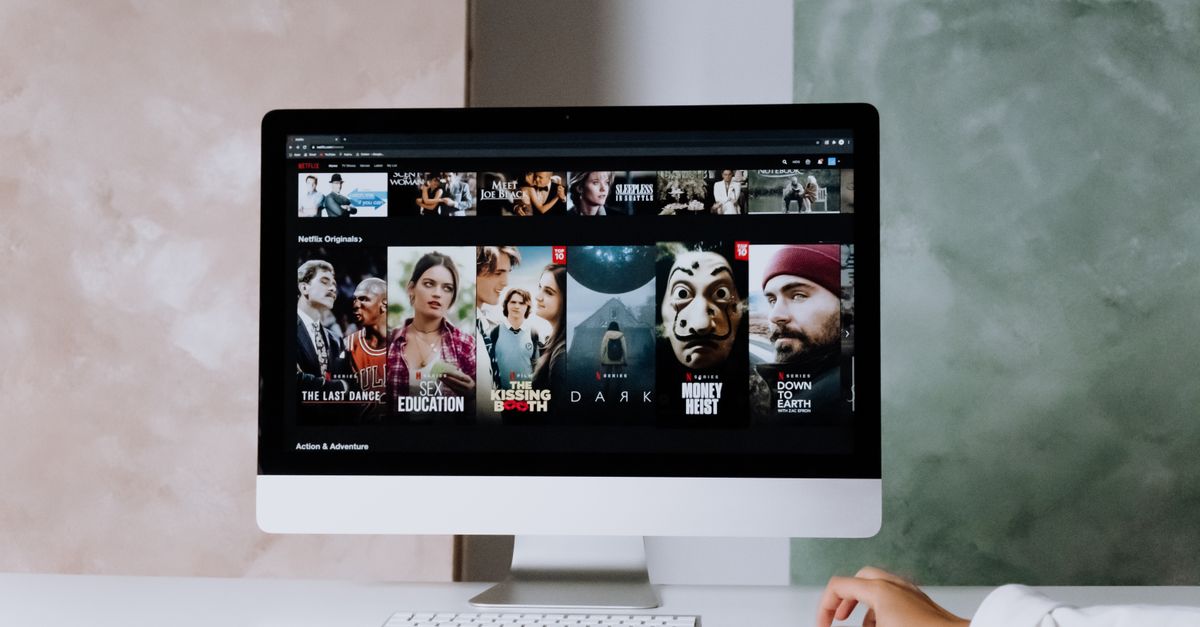
Discovery has also moved from television listings and newspaper reviews toward algorithms. Platforms track viewing habits, pauses, searches, skips, rewatches, and completion rates to predict what might hold a viewer’s attention. These systems can introduce audiences to niche documentaries, international dramas, or older comedies that traditional scheduling might have buried. Yet algorithmic recommendations are not neutral cultural curators. They favor measurable engagement, which can reward familiar formats, dramatic thumbnails, and instantly understandable premises. The New Rules Of Tv And Entertainment Buzz are partly written by software, although the software is less interested in artistic merit than in whether someone watches one more episode before bedtime.
Advertisement
Fans Are No Longer Passive Viewers
Audiences now participate in entertainment culture rather than simply receiving it. Fans create memes, edits, theories, reaction videos, watch parties, podcasts, and elaborate explanations of suspiciously important background objects. Their activity can extend a show’s life well beyond its official episodes and sometimes influence which characters or storylines receive greater attention. This participation gives The New Rules Of Tv And Entertainment Buzz a democratic edge: a small but energetic community can make a little-known program visible worldwide. It also creates pressure. Performers and writers may face immediate reactions to plot decisions, while viewers can feel that enjoying a show includes defending it like a favorite sports team.
Advertisement
Virality Is Powerful but Fleeting
Social platforms have made attention faster and more volatile. A single scene, line, costume, or actor interview can become widely shared within hours, producing a surge of interest that traditional advertising could not easily manufacture. The challenge is that virality does not always translate into lasting loyalty. A clever clip may attract millions of views while only a fraction of those viewers start the full series. The New Rules Of Tv And Entertainment Buzz therefore distinguish between visibility and durability. A moment can dominate conversation on Monday and vanish by Friday, replaced by a new dance, scandal, trailer, or inexplicably compelling clip of someone organizing a refrigerator.
Advertisement
Creators Broaden the Entertainment Ecosystem
The modern entertainment conversation is no longer controlled exclusively by studios, networks, critics, and celebrity magazines. Independent creators, video essayists, newsletter writers, streamers, and podcast hosts now interpret releases for highly specific audiences. They may explain a confusing finale, compare adaptations, identify production details, or simply provide the companionship of a funny reaction. This has made commentary more personal and often more accessible. It has also blurred the boundary between criticism, promotion, fandom, and friendship. Viewers may trust a creator’s recommendation more than a formal advertisement because it arrives through an established relationship, even when that relationship exists entirely through a screen.
Advertisement
Global Audiences Change the Conversation
Entertainment is increasingly global, and subtitles are no longer the cultural barrier they once seemed to be. A series produced in one country can become a major talking point in another through coordinated releases, fan translations, social media clips, and international recommendation systems. This exchange broadens the range of stories reaching mainstream attention, though it can also flatten cultural context when viewers interpret unfamiliar customs through limited online commentary. The New Rules Of Tv And Entertainment Buzz require producers to think beyond domestic audiences while encouraging viewers to become more curious about different storytelling traditions. The result is a richer media landscape, provided curiosity gets more screen time than instant judgment.
Advertisement
Business Models Follow Attention
Behind every trend is a business model trying to understand it. Streaming services monitor subscriber growth, retention, advertising performance, and viewing patterns while experimenting with subscriptions, ad-supported tiers, premium releases, bundles, and limited theatrical windows. Social engagement can help a platform estimate cultural relevance, but high online conversation does not guarantee profitability. Expensive productions must still justify their budgets, and popular series can disappear when their financial value becomes difficult to defend. This tension explains why entertainment decisions can seem mysterious to audiences. A show may have devoted fans and impressive headlines yet remain vulnerable to accounting spreadsheets that possess none of the fans’ emotional investment.
Advertisement
Trust Matters More Than Hype
As promotional channels multiply, audiences have become more skilled at recognizing manufactured excitement. Trailers, celebrity interviews, influencer partnerships, and carefully timed leaks can create awareness, but trust determines whether people stay interested. Viewers increasingly compare marketing promises with actual quality, representation, pacing, and consistency. They also notice when online enthusiasm appears artificially coordinated or when a supposedly spontaneous reaction is clearly sponsored. The strongest entertainment brands now build credibility through transparency, reliable communication, and respect for audience intelligence. Hype may open the door, but satisfying storytelling is still the guest who convinces people to remain in the room.
Advertisement
What Comes Next
The next phase will likely combine human recommendation with increasingly sophisticated technology. Artificial intelligence may help organize enormous libraries, create personalized summaries, or identify connections among shows, music, games, and books. At the same time, audiences will continue seeking imperfect human opinions from friends, critics, and creators they trust. The New Rules Of Tv And Entertainment Buzz are not a rejection of older media so much as an expansion of who can shape cultural attention. Television remains important, but it now operates within a larger network where every viewer can become a critic, promoter, archivist, or accidental trendsetter.
Advertisement
Conclusion
Entertainment culture has shifted from a broadcast model toward a participatory, platform-driven ecosystem. Algorithms influence discovery, fans amplify stories, creators interpret them, and global audiences reshape their meaning. The New Rules Of Tv And Entertainment Buzz show that lasting attention depends on trust, quality, community, and adaptability rather than hype alone.
Advertisement