Spotlight Hype Entertainment: Why Audience Buzz Matters
Introduction
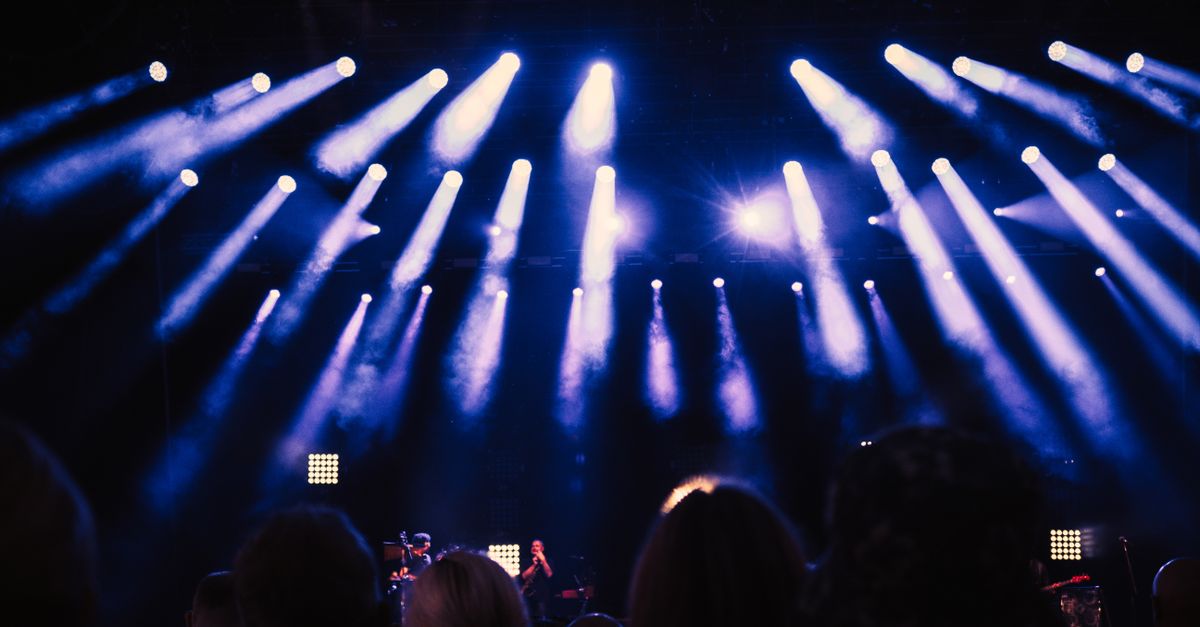
Entertainment has become more than a polished performance on a stage; it is a conversation between creators, audiences, platforms, and the culture around them. Spotlight Hype Entertainment captures that conversation, showing how attention is built, shared, measured, and sometimes inflated before the opening credits—or opening curtain—ever arrives.
Advertisement
From Performance to Public Conversation
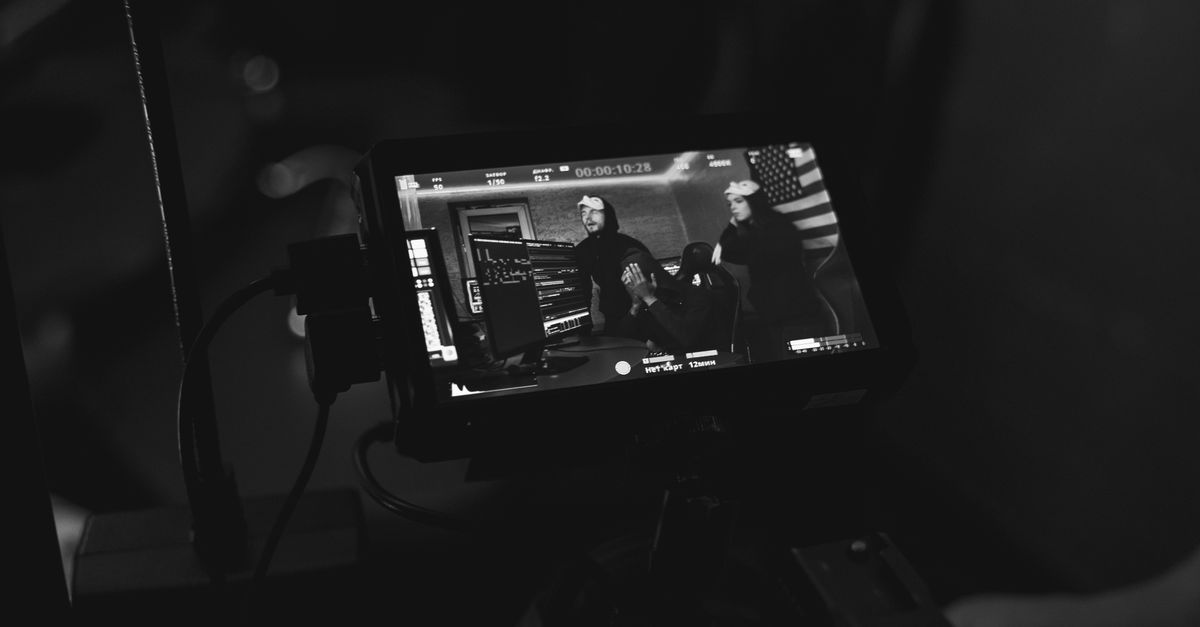
Spotlight Hype Entertainment describes an approach in which the event itself is only part of the product. The surrounding discussion can be equally valuable: interviews, behind-the-scenes footage, fan theories, red-carpet moments, livestreams, memes, and carefully timed announcements all help shape an audience’s expectations. In this environment, entertainment does not simply happen in front of viewers; it unfolds across multiple channels before, during, and after the main attraction.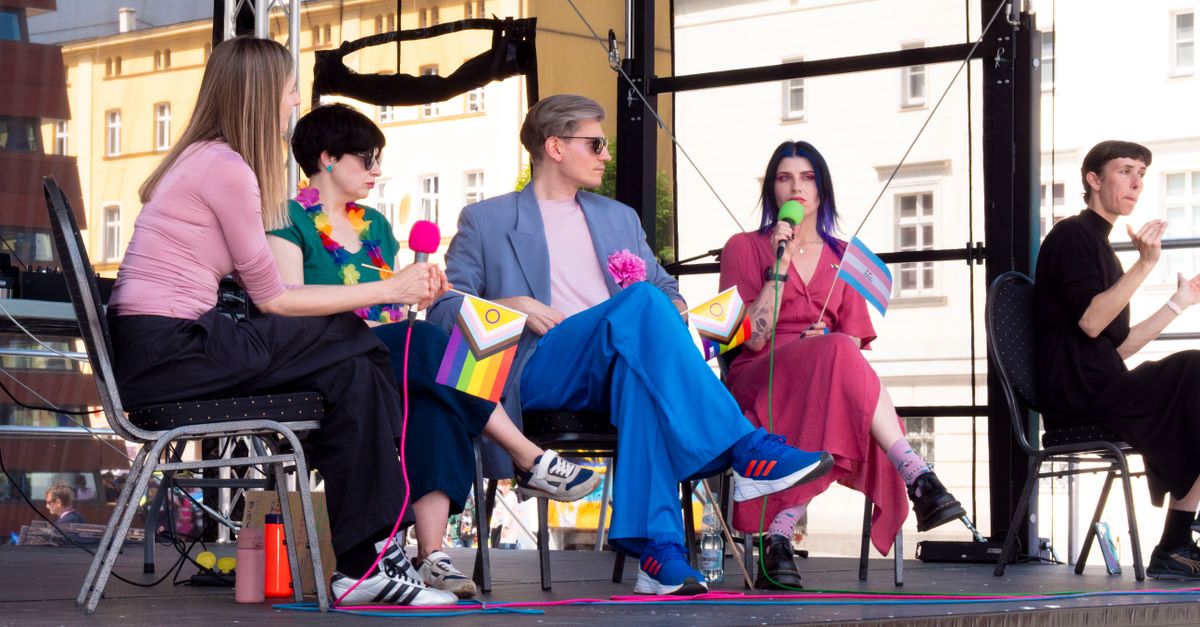
Advertisement
Why Hype Has Become a Business Asset
Spotlight Hype Entertainment also reflects a major shift in how success is created. A film, concert, series, or celebrity appearance may receive attention long before it becomes available, giving producers valuable time to build recognition and gather an audience. That anticipation can support ticket sales, subscriptions, sponsorships, merchandise, and licensing deals. Hype is therefore not just noise surrounding a project; when managed thoughtfully, it becomes part of the project’s commercial architecture.
Advertisement
The Ingredients of Attention
At the heart of Spotlight Hype Entertainment is a simple principle: people pay attention to stories that offer emotion, mystery, identity, or belonging. A memorable visual style can make a campaign recognizable, while a distinctive voice can make it feel personal. Exclusive previews create scarcity, although overusing them can make audiences feel manipulated. The strongest campaigns balance information with curiosity, revealing enough to spark interest without explaining every surprise in advance.
Advertisement
Audiences Are Participants Now
Spotlight Hype Entertainment treats audiences as active participants rather than passive consumers. Fans remix clips, debate plot details, create artwork, share reactions, and sometimes influence how a project is promoted. This participation can generate enormous organic reach, but it also means brands surrender some control over the conversation. A single unexpected interpretation may become more popular than the official message, which is both a creative opportunity and a public-relations headache in comfortable shoes.
Advertisement
The Role of Social Platforms
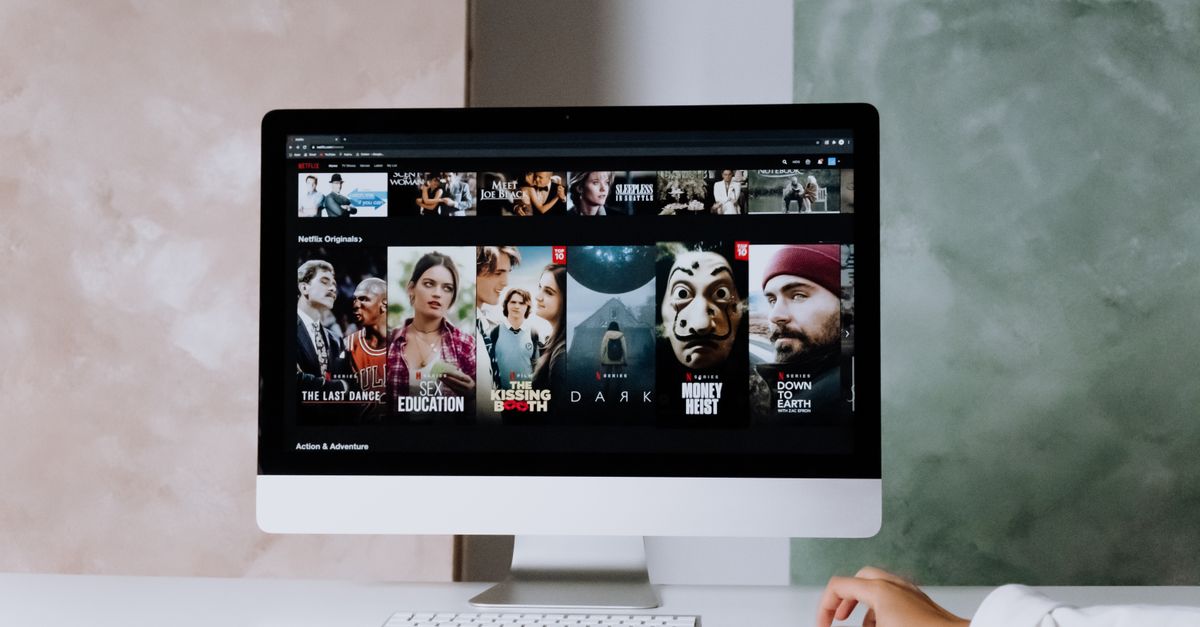
Social platforms have accelerated the entire attention cycle. A short clip can introduce a performer to millions of people, while a live broadcast can turn a distant celebrity into a seemingly present companion. Algorithms reward frequency, emotional intensity, and interaction, encouraging entertainment companies to keep releasing material. Yet constant visibility has a cost: audiences become fatigued, major announcements lose their novelty, and creators may feel pressured to perform even when they have nothing meaningful to say.
Advertisement
Measuring More Than Views
A sophisticated campaign looks beyond raw view counts. Completion rates show whether people stayed, comments reveal what resonated, and repeat engagement indicates whether interest became loyalty. Search activity, ticket conversions, merchandise sales, subscriber retention, and audience sentiment can provide a more accurate picture of impact. Spotlight Hype Entertainment is most effective when data informs creative decisions without replacing judgment. Numbers can identify what happened, but they rarely explain why people cared.
Advertisement
Authenticity Versus Manufactured Excitement
The central challenge is credibility. Audiences are quick to notice when enthusiasm feels scripted, and exaggerated claims can create disappointment that lasts longer than the original excitement. Genuine access, transparent partnerships, and honest acknowledgment of imperfections often create stronger relationships than flawless promotional language. A campaign does not need to pretend that every project will change the world; sometimes it is more persuasive to explain exactly what makes the experience enjoyable, unusual, or worth discussing.
Advertisement
Cultural Influence and Responsibility
Spotlight Hype Entertainment can shape more than sales figures because popular entertainment influences language, fashion, behavior, and public conversation. That influence creates responsibility for representation, accessibility, and respectful communication. Campaigns should consider whose stories are being elevated, who may be excluded, and whether promotional tactics encourage harmful harassment or unrealistic expectations. Ethical attention-building is not a boring constraint; it is a practical way to protect trust and sustain relevance over time.
Advertisement
What the Future May Bring
The next phase will likely combine immersive technology, personalized recommendations, interactive storytelling, and increasingly sophisticated fan communities. Virtual and augmented reality may make audiences feel physically present inside fictional worlds, while artificial intelligence may help tailor promotional material to different interests. However, technology will not eliminate the need for strong ideas. Novel tools can amplify a weak concept, but they cannot permanently disguise one. Lasting enthusiasm still depends on emotional connection, craft, and cultural timing.
Advertisement
Conclusion
Spotlight Hype Entertainment illustrates how modern entertainment is built through performance, conversation, participation, and measurement. The most successful campaigns turn attention into lasting connection without confusing volume for value. They respect audiences, use data intelligently, and preserve enough mystery to keep curiosity alive. In an overcrowded media landscape, authentic excitement remains the most durable form of promotion.
Advertisement