Shedding Light on TV Innovators
Introduction
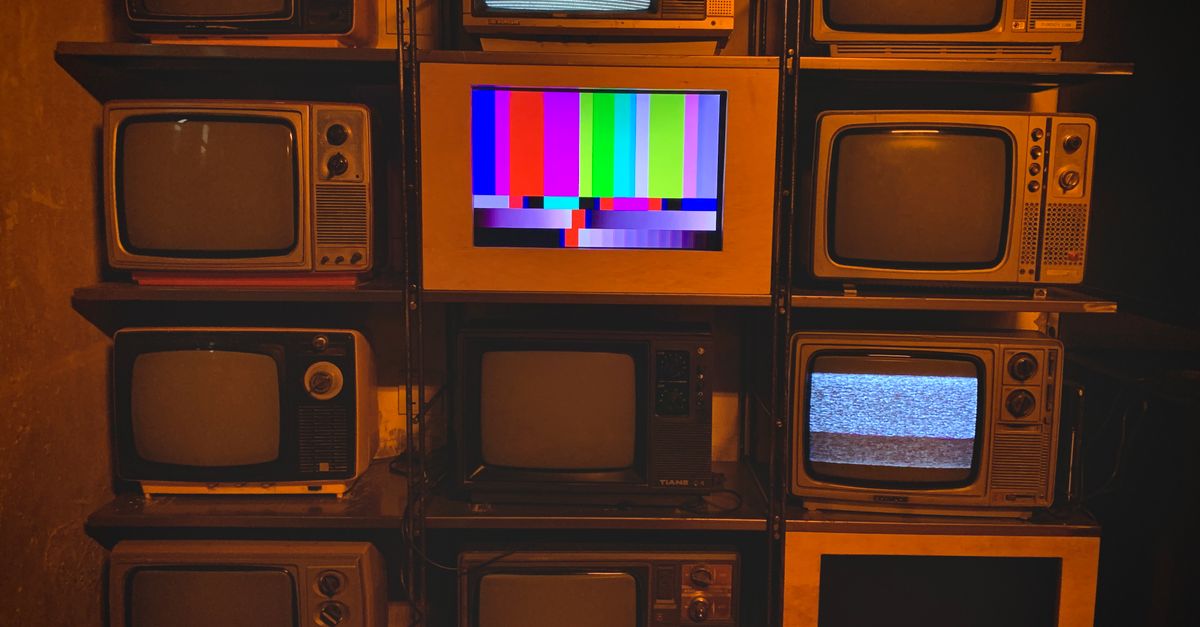
Television innovators have shaped how audiences engage with media, birthing revolutionary concepts and technologies. By unveiling the stories of these pioneers, we trace the evolution of TV from a static visual box to a multifaceted entertainment hub. This journey through the corridors of television history promises both nostalgia and admiration for these visionary minds.
Advertisement
The Birth of Television
Before the internet fueled binge-watching marathons, early television innovators like John Logie Baird were tinkering with flickering screens and fuzzy images. Baird's experiments in the 1920s laid the groundwork for what would later captivate international audiences. With his 'Noctovision', he paved the way for future brilliance, demonstrating that seeing through the night was no longer just for bats.
Advertisement
Philo Farnsworth: The Unsung Visionary
In a world where giants like RCA dominated, Philo Farnsworth, just 14 years old, sketched the first viable concept of electronic television on a plowed field. As years passed, his ideas bloomed into the first electronic television system, yet his contribution was often overshadowed. Today, as big-screen TVs reign supreme, we owe a toast to Farnsworth’s visionary grit.
Advertisement
The Color Television Revolution
Imagine watching your favorite comedy show in black and white! Horrendous, right? This antiquarian challenge was met by another television innovator, Peter Goldmark. In the 1940s, Goldmark brought color and life to the small screen, ensuring that flamboyant characters like Fred Flintstone and Vincent Chase graced audiences in their full, vibrant glory.
Advertisement
TV's Golden Era: Content Meets Creativity
Beyond hardware, pioneering content creators revolutionized storytelling. Comedy kings like Lucille Ball challenged societal norms, while Molly Goldberg redefined family narratives. These TV innovators not only entertained but also expanded the boundaries of cultural discourse. Reshaping both television and society, they made the humble living room couch central to collective family experiences.
Advertisement
The Digital Transition
TV innovators like Tim Berners-Lee, who paved the way for the internet, redefined how and where we access entertainment. Streaming platforms emerged, revolutionizing content distribution. Instead of waiting weeks for episodes, viewers now stream entire seasons at will. This digital shift hasn't merely expanded choice—it's redefined viewer habits and stoked the binge-watching culture.
Advertisement
Smart TVs: The Rise of Interactive Entertainment
The smart TV era introduced another dimension of innovation, bringing interactivity and connectivity. Innovators transformed TVs into portals to apps, movies, and even browsing. With AI-powered interfaces and voice command features, these innovations ensure TV remains central to the living room experience, marrying visual spectacle with user engagement.
Advertisement
Conclusion
The journey of television, driven by pioneering TV innovators, showcases a remarkable evolution from blurry images to vibrant, immersive experiences. Woven with tales of persistence and ingenuity, today’s TV stands as a testament to innovation across decades. As we delight in modern features, acknowledging these visionaries reminds us that every pixel-perfect image has roots in dreams once sketched on paper.
Advertisement