How AI Redefines Flexible Workdays Efficiently
Introduction to AI-Fueled Flexibility
Artificial intelligence is transforming work structures by offering unprecedented flexibility and productivity. It optimizes workflows, allowing for more personalized and efficient workdays. This fusion of technology and human capability is paving the way for a new age of work.
Advertisement
AI in Task Automation
One of the primary ways AI contributes to more flexible workdays is through task automation. By automating repetitive tasks, professionals are freed from mundane responsibilities, spending more time on creative and strategic endeavors. The diversity of AI-driven tools ensures that everything from emails to project management becomes more streamlined.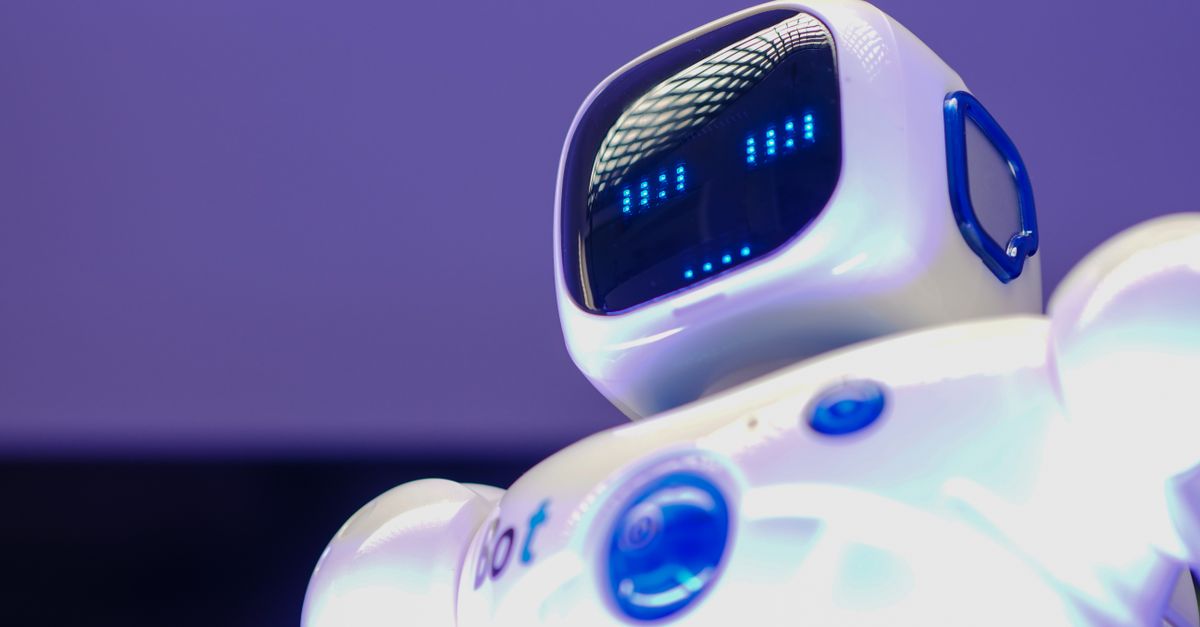
Advertisement
Personalized Work Schedules
AI's ability to analyze data and predict trends helps craft personalized work schedules. By understanding productivity patterns, AI suggests optimal working hours tailored to individual preferences, enhancing both personal fulfillment and efficiency. Say goodbye to the rigid 9-to-5 grind and hello to flexibility.
Advertisement
Remote Work: A Seamless Transition
AI supports remote work by ensuring smooth communication and collaboration, no matter the distance. Tools powered by artificial intelligence facilitate virtual meetings, manage tasks, and track project progress remotely, providing a lifeline for teams striving for synergy across miles.
Advertisement
AI-Powered Decision Making
Decision-making is another domain where AI shines. By offering insights based on vast datasets, AI empowers employees and organizations to make informed decisions rapidly. More flexible workdays evolve organically when individuals are equipped with timely and relevant information.
Advertisement
Balancing Work and Life
AI's influence isn't confined to enhancing productivity; it plays a pivotal role in promoting work-life balance. By scheduling breaks and setting reminders for time-bound tasks, AI nudges workers to prioritize personal well-being alongside professional commitments.
Advertisement
The Future of Work Flexibility
As AI continues to evolve, it's expected to offer even more refined tools for crafting the ideal workday. Future innovations may transform traditional office spaces into dynamic, boundary-less environments. The potential is vast and exciting for those eager to embrace technology-driven flexibility.
Advertisement
Conclusion: A New Norm for Workdays
Thanks to AI, flexibility in workdays is no longer a distant aspiration but an achievable reality. By automating tasks, personalizing schedules, and aiding in smarter decisions, AI has revolutionized how we approach work. It's vital to adapt to these transformations to enjoy a vibrant and dynamic work-life balance. The future, where AI offers boundless flexibility, seems optimistic and exciting.
Advertisement