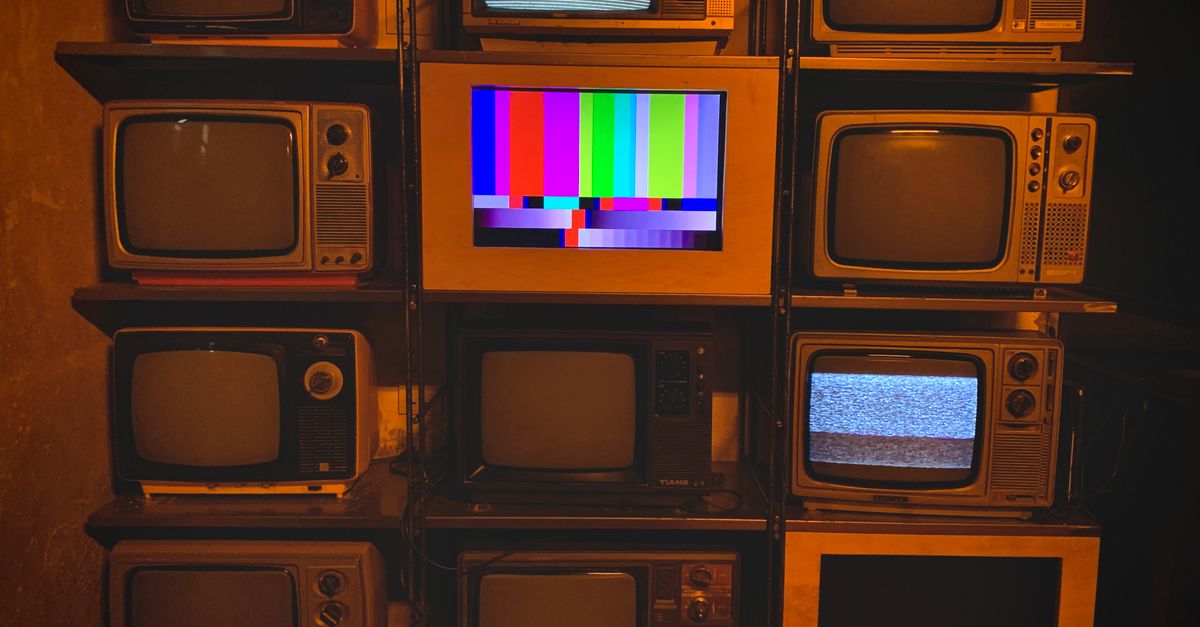
Cultural TV Reflections: The Mirror of Society
Looking Through the TV Lens
For decades, television has served as a significant mirror reflecting societal shifts, quirks, and aspirations. From black-and-white classics to modern-day streaming sensations, the content reflects our worldviews and often shapes them subtly. Let’s dive into the fascinating interplay between cultural TV reflections and the social narratives they echo.
Advertisement
The Golden Age of Television
The 1950s and '60s witnessed what many call the 'Golden Age of Television.' With shows like 'I Love Lucy' and 'The Ed Sullivan Show,' television became a portal for entertainment and a family ritual. These programs not only glued families together but also mirrored post-war optimism and burgeoning consumerism.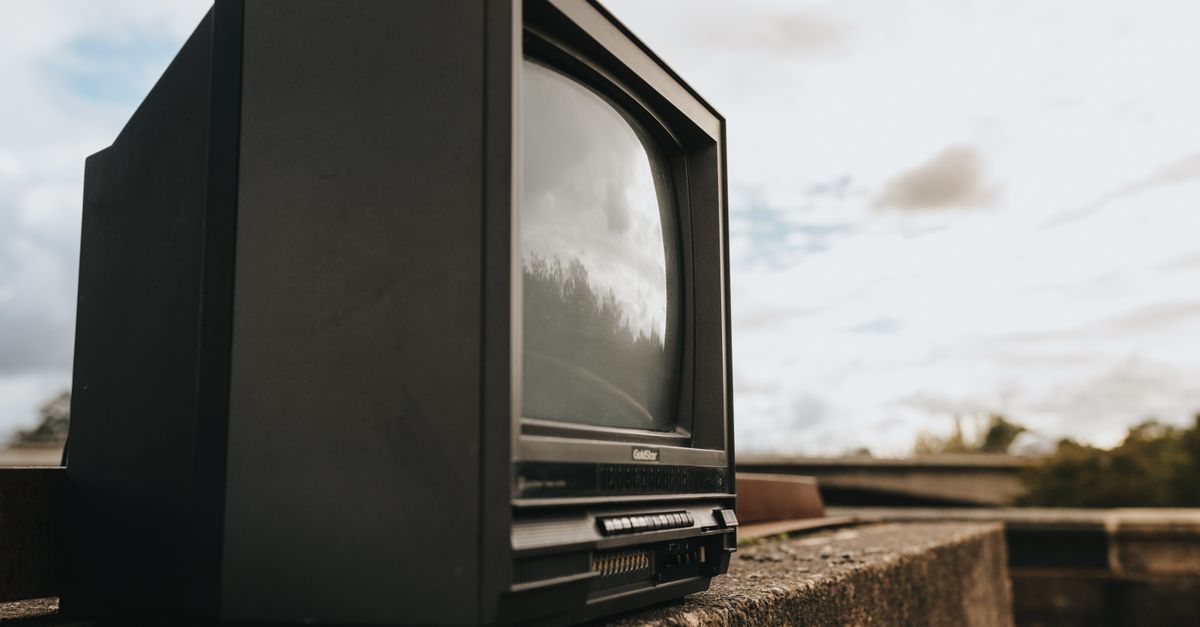
Advertisement
Television as a Platform for Change
Fast forward to the transformative '70s, '80s, and '90s, and television evolved into an agent of social change. Shows like 'All in the Family' or 'The Mary Tyler Moore Show' tackled issues of race, gender, and politics head-on, illuminating the complexities of cultural reflections through episodic narratives that resonated widely.
Advertisement
Breaking Stereotypes: A 21st-Century Reboot
As we entered the 2000s, cultural TV reflections became increasingly diverse, representing myriad voices and identities. 'Modern Family' and 'Orange is the New Black' exemplified how television could challenge societal stereotypes and broaden perspectives, ultimately encouraging more inclusive dialogues within households.
Advertisement
Global Narratives Reverberate
Today, with the proliferation of streaming platforms, cultural TV reflections have broadened to include global narratives. Hit foreign series like 'Money Heist' and 'Lupin' have found international audiences, proving that despite cultural differences, universal themes of love, justice, and ambition resonate deeply across borders.
Advertisement
The Rise of Reality TV
Coupled with scripted content, reality TV emerged as an intriguing facet of cultural reflections. Shows like 'Survivor' and 'The Bachelor' provide a voyeuristic lens into lifestyles that are both aspirational and relatable, albeit sometimes exaggerated. They evolve rapidly alongside social trends, highlighting everything from love to competition.
Advertisement
Streaming and the Age of Choice
In today's on-demand world, we wield more control over our viewing than ever before. From gripping documentaries to immersive dramas, platforms like Netflix and Hulu offer content that reflects current sentiments such as environmentalism and social justice, emphasizing the significant role cultural TV reflections continue to play.
Advertisement
Concluding Thoughts
Cultural TV reflections continue to shape and be shaped by society. Every era brings new challenges and stories to this reflective process. While we peek into fictional worlds, these narratives provide insights into underlying societal trends and dilemmas, connecting stories across generations in an evolving dialogue of humanity.
Advertisement