Television Binge: Understanding the Craze
The Rise of the TV Binge
Once upon a time, TV shows were great, but their battle against bedtime often led to cliffhanger-induced dreams. Fast forward to today, and streaming services have altered this dynamic, catapulting 'TV frenzy' into the norm. The allure of watching 'just one more episode' until the sun rises is a cruel paradox—leaving viewers satisfied yet craving more.
Advertisement
Technology Meets Entertainment
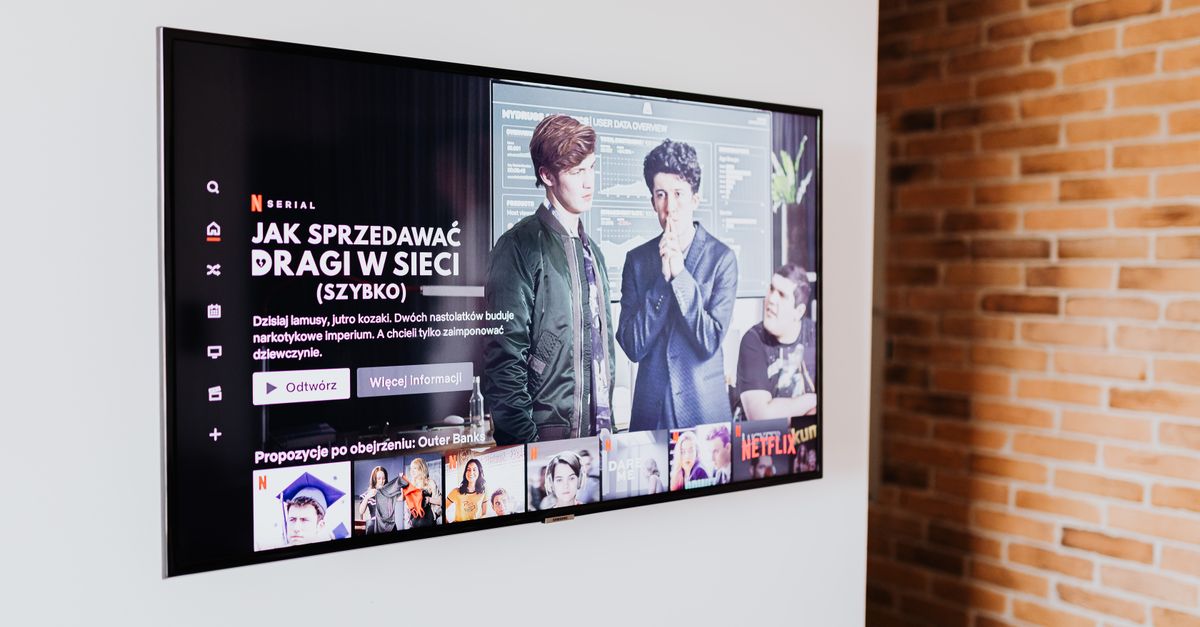
Back in the Stone Age (also known as the late 1990s), people watched TV strictly on schedule. Now, it's all about on-demand access, thanks to technological advances. Streaming platforms like Netflix and Hulu have unleashed a new dimension of TV watching, turning video on demand from a convenient option to an irresistible invitation.
Advertisement
The Psychology of Binge-Watching
To truly understand 'tv frenzy,' we must peek into the human mind. Watching consecutive episodes releases dopamine—our brain's happy juice. It's like being on a rollercoaster of emotions, except this ride can last for hours—without the screaming. The continued pleasure compounds, leading to an often uncontrollable urge to keep clicking 'next episode.'
Advertisement
Socially Acceptable Indulgence
Binge-watching has earned a surprising badge of societal approval. In the past, spending an entire weekend glued to the screen might have raised eyebrows. Today, it's almost considered a necessary ritual. People connect over TV shows, creating communities bonded by plot analysis, character discussions, and a shared love for well-crafted narratives.
Advertisement
The Evolution of Storytelling
Television has come a long way from straightforward 'good vs. bad' narratives. The current era sees shows evolving into multilayered stories with complex characters and unpredictable plots. This development fuels the 'tv frenzy,' urging viewers to stay laser-focused—afraid they might miss a crucial plot twist or symbolic moment.
Advertisement
Concerns About Endless Streaming
While 'tv frenzy' brings entertainment and social connection, it's not without concerns. Excessive binge-watching can lead to unintended consequences, such as sleep deprivation and impaired social interactions. The irony is clear—the very medium that connects us can inadvertently isolate an individual when consumed unchecked.
Advertisement
Balancing Reality and Fantasy
To manage 'tv frenzy,' one must strike a balance between indulging in fictional worlds and participating in reality. Establishing boundaries, such as timing limits or binge buddies, can help one smash the crunch of endless episodes. In this dance of reality and fantasy, creating harmony is the key to sustainable viewing pleasure.
Advertisement
The Future of Binge-Watching
As content diversity continues to flourish, 'tv frenzy' is unlikely to vanish. However, just as a thoughtful diet ensures wellness, a mindful approach allows enthusiasts to savor the best visual stories without overindulgence. As new platforms and storytelling techniques emerge, consumers must choose to participate responsibly, perpetuating a healthy coexistence with this beloved pastime.
Advertisement